
When Sitting Becomes the Default
A desk can be a great place for productivity. It might also make you believe that getting off your chair to head for the kitchen is an expedition. Sitting isn't a break from activity for millions of people who work on computers. It's where the majority of the workday takes place.
That matters because the human body was designed to move about and to bear weight, walk, reach, bend, and otherwise do more than sit in a chair all day in an office. According to the World Health Organization (WHO), sitting for hours was associated with less good health, and about 1 in 3 adult people in the world are not getting enough exercise. World Health Organization
Sitting itself is normal. The issue lies in the lack of movement for extended periods of time, particularly when this becomes the norm for the majority of the day. Thankfully, it doesn't mean you have to be a member of a gym or make each Zoom call a squat session.
How long sitting harms your muscles and joints
The first complaints from a desk-heavy day are often mechanical. Your neck is tight, your shoulders raise, your hips tighten when standing, and your lower back begins negotiating an early retirement. Sitting for extended periods will cause some muscles to be constantly in low tension while others are completely unused. If the screen is not positioned correctly, it can lead to the head pushing forward. A poorly designed chair may cause the lower back to have to do more of its job.
New studies of office workers indicate that the relationship between sitting and lower back pain is not straightforward and is not just the duration of sitting. In a 2025 review, being seated for longer, sitting with poor posture, taking fewer breaks, and sitting with more static posture were all associated with low back pain, but sitting posture had the strongest evidence of a link. PubMed
There is no one 'right' posture to maintain for the entire day; rather, posture is a fluid state that should change constantly. While a comfortable workstation at the desk is important, switching work stations often can be just as significant as finding the best chair angle.
Your Metabolism Notices When You Stop Moving
Muscles are metabolically active tissue, and their activity throughout the day facilitates the body's regulation of levels of glucose and fats in the blood. If the large muscles are used to only a small degree for extended periods, the amount of energy expended decreases.
Sedentary behaviors have been linked to higher risks for cardiovascular disease, type 2 diabetes, and premature death. This doesn't imply your chair at work is working against your heart. This suggests that the overall trend of physical activity over days and years is significant.
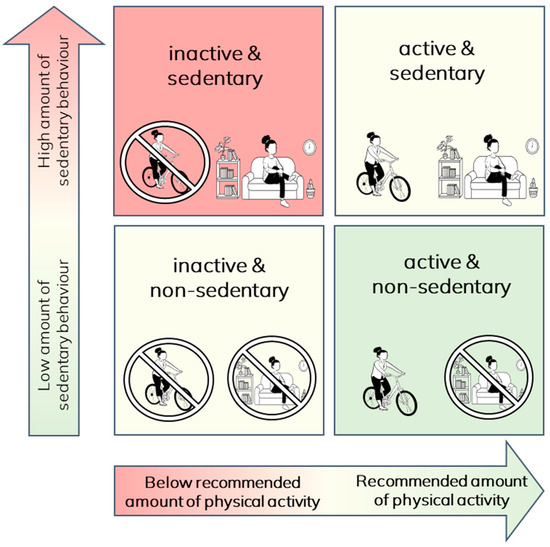
Exercising before or after work is beneficial, but that doesn't excuse wasting the rest of the day. It's possible to get 150 minutes of exercise a week but spend a lot of hours sitting. Consider structured exercise and everyday movement as distinct components of the same image.
Another way to ponder moving beyond exercise is that daily motion accumulates without a lot of effort. Any activity in which more muscles are used than sitting, such as walking to another room, carrying groceries, standing while talking or light housework, results in greater muscle activity. None is meant to take the place of purposeful aerobic exercise or strength training, but these are positive ways to keep the day less sedentary and may be easier to do routinely.
Sitting Can Affect Energy, Focus, and How You Feel
The consequences of a sedentary day don't just have to affect your back and metabolism. Sitting for extended periods can also cause stasis, restlessness, or a foggy brain. If you sit in the same chair in front of the same screen for long hours, you don't have many natural signals that tell your brain when one part of the day has ended and another has started.
Those transitions can be achieved through short movement breaks. Going to a water station to get water, talking on the phone, or going outside for five minutes may not seem like exercise, but it is a break from sitting.
Giving your eyes a break from a near screen focus can also be achieved through movement. If the only time you aren't working, you're flipping through a scroll on some other screen, your chair has won twice! Taking a look in the distance or strolling around the room brings a fresh perspective and a fresh posture to both your eyes and mind.
How Much Movement Do You Actually Need?
Public-health guidance offers a starting point but should not be interpreted as a rigid goal. The Centers for Disease Control and Prevention (CDC) recommend 150 minutes of moderate-intensity aerobic activity per week or 75 minutes of vigorous activity per week, plus muscle-strengthening activities at least 2 days a week. It also highlights a more straightforward message of moving more and sitting less. CDC
If your calendar is already like a game of tetris, that weekly target can seem very daunting. Activity can be broken up throughout the week and in smaller doses, which is good news. It is not necessary to secure a 60-minute time slot each day.
The short-term objectives for the desk work are to prevent prolonged sitting. The magic interval is not the same for everyone. Rather, incorporate motion into existing activities. Stand to read a brief document. Use a phone-free walk while talking on the phone. Use the stairs for a floor or two.
How to Move More Without Going to the Gym
The most natural movement behavior is typically the one that doesn't need a lot of motivation at every moment. Instead of looking forward to a super-charged workout following a tiring day at work, reimagine normal activities so they are essentially done while in motion.
Start with transitions. Stand up when you're done with a meeting before opening the next tab. If you're making coffee, get out of the kitchen and move around while it brews, rather than watching the kettle. If you work at home, do a 5-minute walk before you begin your work or after your lunch break.
A simple movement menu for short breaks can be made up of chair squats, calf raises whilst waiting for a file to download, taking the stairs, a few minutes of walking, or gentle movements of the shoulder and hip. You don't need to explain yourself to co-workers because of any of these needs.
Make Your Workspace Encourage Movement
A sit-stand desk can help some people vary their position, but it is not essential. Standing perfectly still for eight hours is not the grand solution to sitting perfectly still for eight hours. The goal is variation.
Frequently use equipment in a comfortable location, but ensure that some equipment is primarily used while standing. Set reminders if they will help, but don't set reminders just because they will. Dismissing an alarm every 30 minutes for 6 months is not a movement strategy. It's nothing but a nagging message.
Select changes that are appropriate for your work. A person suffering from chronic pain, disability, pregnancy, or other health issues might require alternative ways of moving. It is not a useful plan until it can actually be repeated.
Bottom Line
A desk job does not automatically condemn you to poor health, and the answer to this problem is not to spend the entire workday feeling guilty for sitting. Concentrating on work often demands being in one place, and sitting in one place often demands concentration. Instead, the better option is to ensure that a sedentary lifestyle is not the norm for hours on end.
Good ergonomics can make sitting more comfortable. Exercise can help your heart and muscles become stronger. Brief periods of activity can be used to avoid extended periods of rest between workouts. These habits work together rather than competing for the title of "healthy enough."
Optimize the screen, use your chair to the best of your ability, and use the stairs when it's appropriate. Walk during a call. Get up in between work sessions. Stretch because your shoulders are asking nicely now and may become less diplomatic later. You don't have to turn your office into a gym. You just need to remind your body, several times a day, that it has a life below the shoulders.