
Your Prompt May Travel Farther Than You Think
Uploading a document to an AI tool feels almost frictionless. Drag in a contract, paste a spreadsheet, ask for a summary, and a few seconds later you have something useful. That convenience can hide one awkward detail: you have handed information to another system. Depending on the service and settings, that information may be stored, reviewed, connected to other services, or used to improve models.
This does not mean every AI upload is dangerous. It means "I only asked the chatbot to summarize it" is not a privacy policy. Before sharing sensitive material, it helps to understand where your data may go and what controls you actually have.
What Happens When You Upload Data to an AI Tool?
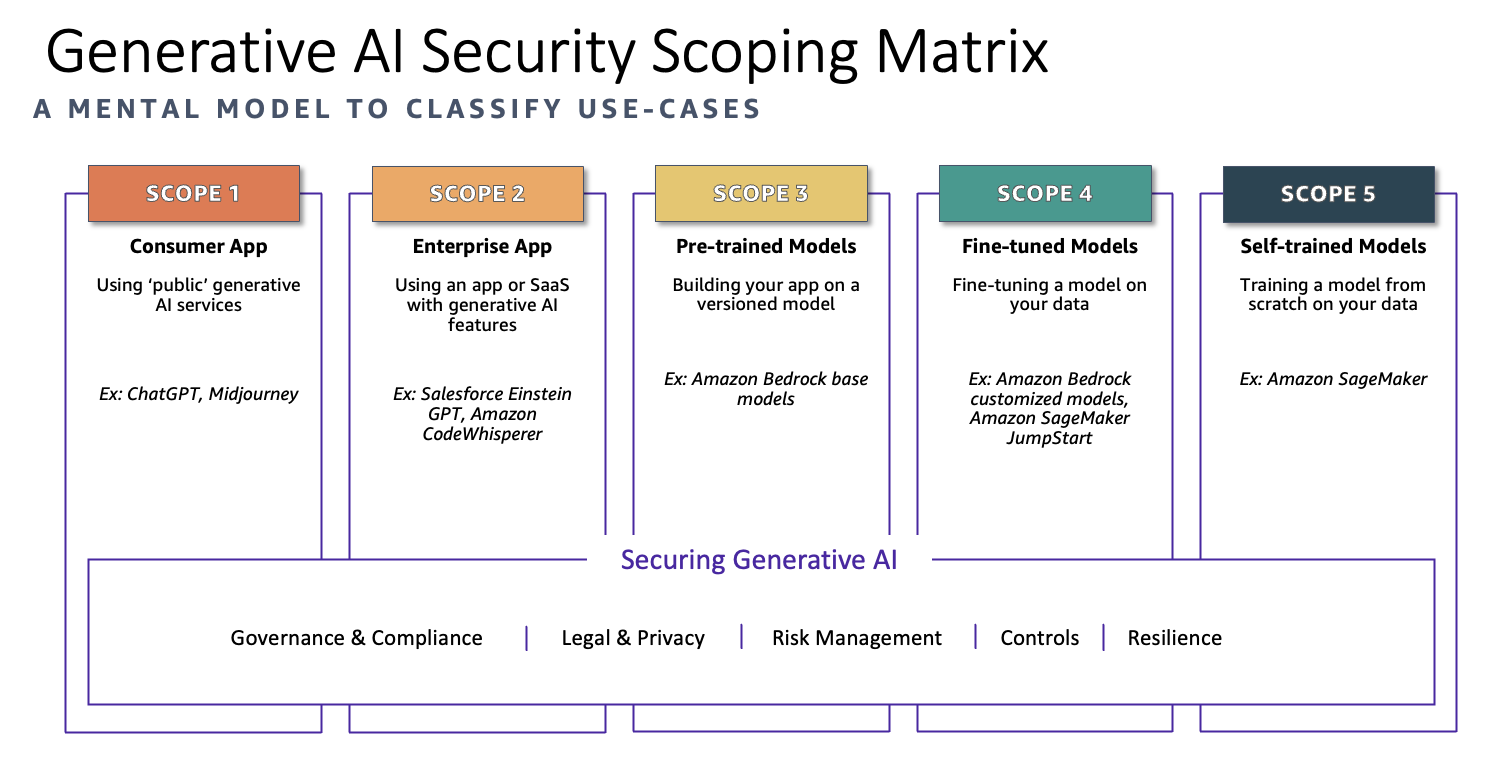
When you submit text, images, PDFs, spreadsheets, audio, or other files, the service has to process that material to produce a response. Your content may pass through servers, model infrastructure, safety systems, logging systems, and connected applications. Some providers also retain conversations or files for a period of time. Data handling differs between products. A consumer chatbot and an enterprise AI workspace can operate under very different rules, even when the logo looks identical.
Storage Is Not the Same as Training
One of the most common misunderstandings is assuming that if an AI company stores your conversation, it must be training its model on it. Those are separate questions. A provider may retain data for chat history, abuse prevention, debugging, legal obligations, or product operation without using that material for model training. Conversely, some consumer services may use conversations to improve models unless the user changes a setting or opts out.
For example, OpenAI says users can turn off "Improve the model for everyone," after which new ChatGPT conversations are not used for model training. Temporary Chats are also excluded from training while remaining subject to limited retention for safety purposes.
The Risks Hidden Inside an Innocent Upload
Confidential Business Information Can Stop Being So Confidential
Employees increasingly use AI to summarize meeting notes, analyze customer feedback, rewrite proposals, or inspect code. The problem appears when those files contain trade secrets, pricing information, internal strategy, unreleased products, customer records, or confidential contracts. Uploading information to an unauthorized tool may violate an employer's policy or a client contract. A five-minute productivity shortcut can become a very long meeting with Legal.
Personal Data Can Be More Sensitive Than It Looks
Names and email addresses are obvious personal information, but uploaded files can contain much more. A résumé might include phone numbers and employment history. An invoice can expose an address and payment details. A photo may reveal faces, locations, or documents sitting in the background. Health information, financial records, identification numbers, student records, and employee files deserve even more caution. Removing a person's name does not always make a dataset anonymous if the remaining details can still identify them.
Human Review May Be Part of the Process
Some AI services use human reviewers for safety, quality improvement, or model development. Google, for example, states that some Gemini data may be reviewed by trained human reviewers and warns users not to enter confidential information they would not want reviewed or used to improve services. Its privacy guidance also explains that settings such as Keep Activity affect how chats and shared files are stored and used. So "talking to AI" does not always mean no human will encounter the data.
Connected AI Tools Create Another Privacy Layer
Modern AI assistants increasingly connect to email, cloud storage, calendars, customer relationship management systems, and workplace databases. Those connections make AI far more useful, but they also increase the amount of information within reach. A poorly configured integration could expose unintended information, pull from the wrong source, or send data into another third-party service.
Every additional service in a workflow can create another data-processing relationship. If an AI agent reads a document, checks a CRM, calls an external API, and posts the result into a project-management tool, several systems may touch the information before the task is finished. Businesses should ask not only "Is this AI tool secure?" but also "Where does the data travel next?"
Can Deleted AI Chats Really Disappear?
Deleting a conversation from an interface does not necessarily mean every copy vanishes instantly. Providers may maintain temporary backups, security logs, or legally required records according to their retention policies. Deletion controls are one part of privacy management, not permission to upload first and worry later. The safest confidential file is often the one you never uploaded.
How to Use AI Tools Without Oversharing
You do not need to abandon AI tools. You need better habits. Before uploading a file, ask whether the tool genuinely needs the full document. Remove names, account numbers, passwords, private client information, and irrelevant sections whenever possible. For workplace use, choose tools approved by your organization and check whether the account offers enterprise privacy protections.
Review training and history settings instead of accepting defaults blindly. Read the provider's privacy information when dealing with sensitive material, especially when connecting third-party apps. If the task can be completed with synthetic or anonymized data, use that instead. For companies, clear AI-use policies are becoming as important as password policies. Staff should know which tools are approved, what information is prohibited, and when human approval is required.
Bottom Line
The biggest privacy risk is not that every AI tool secretly wants your spreadsheet. It is that convenience encourages people to upload information before asking whether they should. AI services can be enormously useful for analyzing documents, generating ideas, automating work, and finding patterns. But the smarter the tools become, the more tempting it is to give them access to everything.
A simple rule works surprisingly well: before uploading something, imagine that file leaving your laptop and entering somebody else's system. If that thought makes you uncomfortable, check the settings, remove sensitive details, or choose a more appropriate tool first. Artificial intelligence may be excellent at processing data. Deciding which data it should receive is still very much a human job.