The Tiny Payment That Can Become a Very Long Relationship
A credit card statement can be strangely comforting. It shows a large balance, then offers a much smaller minimum payment that looks manageable. Pay that amount, stay current, and move on. The problem is that the minimum payment is designed mainly to keep the account in good standing, not to help you escape debt quickly.
That matters because credit card interest is expensive. In May 2026, the Federal Reserve reported an average rate of 22.15% on credit card accounts that were being charged interest. At rates like that, an ordinary purchase can follow you for years. Understanding how interest is calculated, what the minimum payment really does, and how to pay strategically can save serious money over the years.
What Credit Card APR Really Means
Your annual percentage rate, or APR, is the yearly interest rate attached to your credit card balance. If your purchase APR is 22%, the issuer does not simply wait until December and add 22% to what you owe. Interest is usually calculated much more frequently.
The Consumer Financial Protection Bureau explains that many issuers calculate interest daily using your average daily balance. To estimate the daily rate, divide the APR by 365. A card with a 22.15% APR has a daily periodic rate of about 0.0607%.
Suppose you carry a $5,000 balance for 30 days and it barely changes. Interest would be roughly $3.03 per day, or about $91 over 30 days. The exact charge varies as purchases and payments change your daily balance, but the example shows why high APR debt can feel stubborn. Interest keeps working while you sleep.
Why the Grace Period Matters
Many credit cards offer a grace period on purchases. If you pay the full statement balance by the due date and meet the card's terms, you can generally avoid interest on those purchases. Once you carry a balance, however, you may lose that grace period. New purchases can then begin accruing interest according to the agreement. Cash advances may also have different APRs and may start accruing interest immediately.
This is why "paying your credit card" can mean two different things. Paying the minimum may protect you from being late. Paying the full statement balance can protect you from purchase interest when your grace period applies.
Why Minimum Payments Keep Debt Around
The minimum payment is the smallest amount the issuer requires for that billing cycle. The formula varies by card. It might involve a percentage of the balance, interest and fees plus some principal, or a fixed minimum when the balance is small. Part of your payment covers accrued interest and applicable fees before much progress is made on principal. When the balance and APR are high, interest can consume a surprisingly large share of a small payment.
Imagine that a $5,000 balance generates about $91 in interest during a month. If your required payment were around $110, only about $19 would reduce principal in this simplified example. Next month, interest would be calculated on a balance only slightly smaller. Repeat that cycle and you can spend years paying while the balance seems emotionally attached to you.
U.S. credit card statements must warn consumers that paying only the minimum means paying more interest and taking longer to clear the balance. They also provide an estimate of how long minimum-only repayment could take and generally show the payment needed to repay the current balance in three years, assuming no new purchases.
Minimum Payment vs Statement Balance
The minimum payment and statement balance serve different purposes, and confusing them is costly. Paying the minimum by the due date generally keeps the account from becoming delinquent. You still carry the remaining balance forward, and interest usually continues to accrue. Paying the statement balance in full typically allows you to avoid purchase interest when a grace period applies.
There is also a current balance, which may include purchases made after the statement closed. You usually do not need to pay the entire current balance to preserve the grace period. The statement balance is the key number, although card terms differ.
If you cannot pay the statement balance in full, paying more than the minimum still matters. Every extra dollar that reduces principal gives future interest less balance to work on. With credit card debt, boring arithmetic can be surprisingly powerful.
How to Pay Credit Card Debt Faster
The first move is simple: stop treating the minimum as a recommended payment. Think of it as the floor. If you can afford $250 when the minimum is $110, paying $250 consistently can shorten repayment because more money reaches principal. Consider setting an automatic payment above the minimum, then adding extra payments when cash flow allows. Since many issuers calculate interest daily, paying earlier can also reduce interest.
If you have several cards, list their APRs and balances. The debt avalanche method directs extra money to the highest APR first while maintaining required payments on the others. This generally minimizes interest. The debt snowball targets the smallest balance first, which can provide faster psychological wins. The cheapest strategy and the one you can actually stick with are not always the same.
Try not to add new purchases to a card you are paying down. Otherwise, you are draining the bathtub while the faucet is still running.
Read the Statement Before Paying It
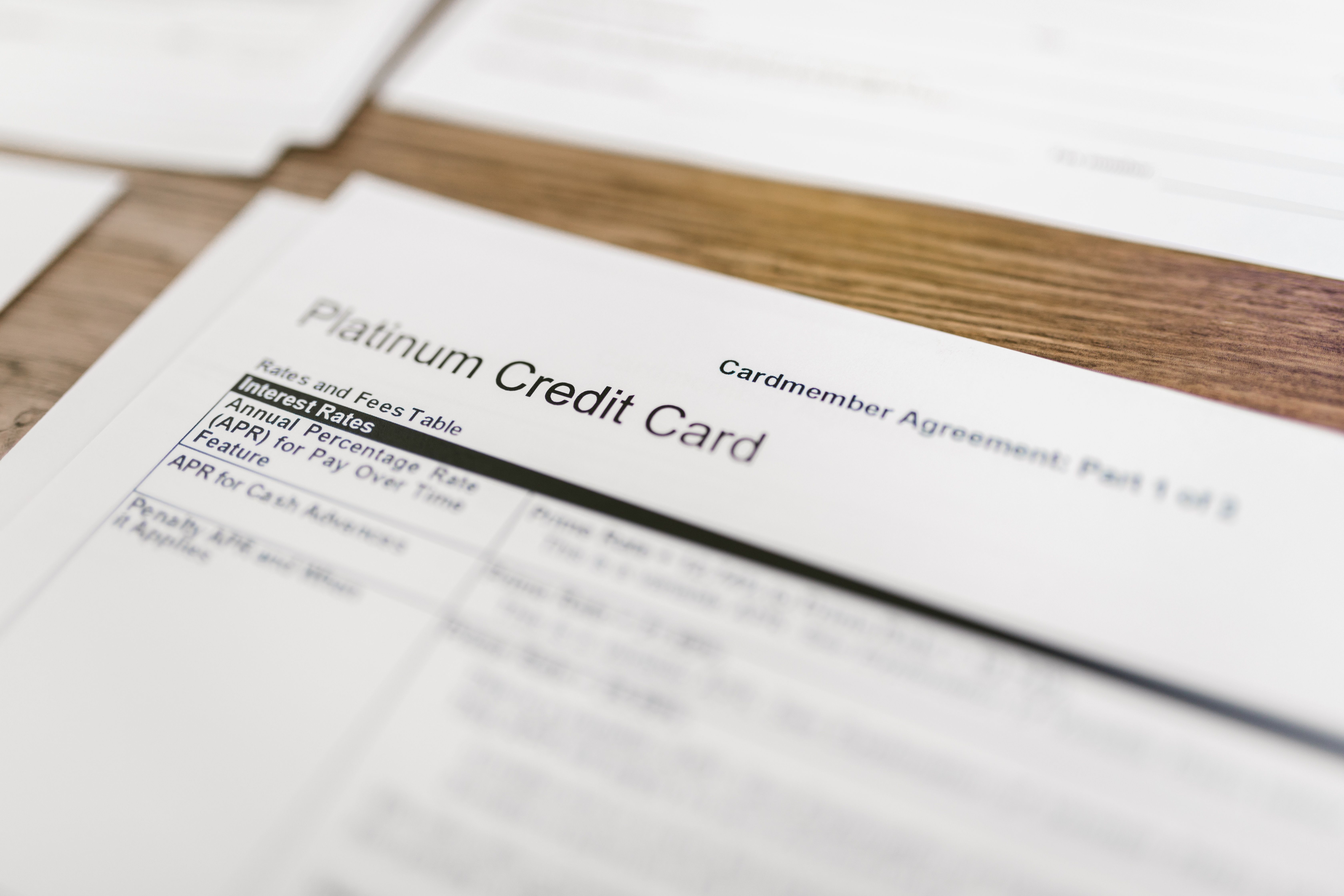
Your monthly statement contains more useful information than the large "amount due" box. Check the purchase APR, any cash advance or balance transfer APR, interest charged, statement balance, minimum payment, due date, and minimum payment warning.
That warning turns abstract interest into time and money. If minimum payments will keep you in debt for years, compare that estimate with the displayed three-year payment amount. Even if you cannot afford the three-year figure, moving closer to it can materially reduce the cost.
Also watch promotional offers. A 0% introductory APR and a deferred-interest promotion are not always the same. With deferred interest, failing to clear the qualifying balance by the deadline can trigger interest that accrued during the promotional period, depending on the terms. Read the agreement before assuming "no interest" means "nothing to worry about."
Bottom Line
Credit cards become expensive when convenience turns into revolving debt. The APR determines the price of borrowing, daily interest keeps that price accumulating, and minimum payments can stretch repayment far beyond what most cardholders expect.
The best outcome is to pay the full statement balance each month and preserve the grace period whenever possible. If that is not realistic, pay as far above the minimum as your budget safely allows, avoid unnecessary new charges, and target expensive balances deliberately.
Read your statement as a repayment tool rather than just a bill. The minimum tells you what you must pay. It does not tell you what you should pay if your goal is to get out of debt. Your credit card company will happily accept the minimum for years. There is no need to be that loyal.