
When a “Hot Tip” Is Actually a Trap
Crypto scams used to be easier to laugh at. A stranger promised to double your Bitcoin overnight, the website looked as if it had been assembled during lunch, and the spelling often did half the detective work for you. That comfort is disappearing. Modern scams can involve polished trading dashboards, weeks of friendly conversation, fake customer support, convincing social profiles, and increasingly sophisticated impersonation.
The financial damage is also growing. The FBI’s 2025 Internet Crime Report recorded 181,565 complaints involving cryptocurrency and more than $11 billion in reported losses. Cryptocurrency investment fraud alone accounted for about $7.2 billion, making it one of the most damaging forms of online fraud reported that year. FBI
Crypto itself is not the scam. The danger comes from criminals exploiting speed, technical complexity, irreversible transactions, and investors’ fear of missing the next big opportunity. Knowing the warning signs matters more than knowing every new coin on the market.
Why Crypto Scams Are Harder to Spot
Today’s fraudsters rarely begin by asking for your life savings. They may start with a wrong-number text, a dating-app match, a friendly message on social media, or an invitation to an investment group. The conversation can continue for days or weeks before money enters the picture.
That slow approach is deliberate. The CFTC warns that relationship investment scams often build trust before introducing cryptocurrency trading. Victims may even be shown fake profits or allowed to withdraw a small amount early, making the platform appear legitimate before larger deposits are encouraged.
The technology has improved too. Professional-looking websites, cloned exchange interfaces, AI-generated images, impersonation, and realistic account dashboards can make “just look at the website” a poor fraud test. The smarter defense is to look at behavior.
Crypto Scam Red Flags You Should Never Ignore
How the Scam Pulls You In
1. The investment opportunity arrives through an unsolicited message.
Be suspicious when a stranger, long-lost contact, or new online friend suddenly introduces crypto investing. Genuine investments do not need to begin with “Sorry, wrong number” followed three days later by a trading strategy.
2. They want to move the conversation somewhere private.
A quick request to leave a dating app, social network, or public forum for an encrypted messaging service can be a warning sign. Moving conversations makes moderation harder and gives scammers greater control over the relationship.
3. Returns are guaranteed or the investment is described as nearly risk-free.
Crypto prices can move sharply in either direction. Anyone promising guaranteed profits, unusually consistent returns, or “zero risk” is selling certainty that legitimate markets cannot provide. The FTC specifically warns that guaranteed returns, free money, and large payouts are classic cryptocurrency scam claims.
4. The opportunity depends on secret knowledge.
Scammers often invent an uncle at a major exchange, an exclusive trading algorithm, an AI bot that supposedly never loses, or an insider who knows which token will explode next. The story changes, but the pitch is the same: you must trust information that conveniently cannot be verified.
5. Social proof looks almost too perfect.
Celebrity endorsements, screenshots of enormous profits, enthusiastic testimonials, and crowded chat groups can all be fabricated. Deepfakes and AI-generated content make visual evidence even less dependable. Verify endorsements through the person’s official channels rather than a video or screenshot sent to you.
How the Scam Traps Your Money
6. You are directed to an unfamiliar trading website or app.
A fake platform can display prices, balances, and profits that look completely real because the scammer controls what appears on the screen. Check the exact domain, company history, regulatory status, independent reviews, and official app-store listing before depositing anything.
7. Your account keeps making suspiciously perfect profits.
Markets have bad days. If your new account seems immune to them, do not celebrate too quickly. Fraudulent platforms commonly display invented gains to persuade victims to deposit larger amounts. A rising number on a dashboard is not evidence that assets actually exist.
8. You are told to send crypto directly to a specific wallet.
Crypto transfers are difficult to reverse, which is precisely why scammers like them. Treat requests to purchase crypto elsewhere and transfer it to a wallet supplied by a stranger, “advisor,” romantic interest, or supposed support agent with extreme caution.
9. You must pay a tax, fee, or deposit before withdrawing your money.
This is one of the clearest danger signals. A fraudulent platform may suddenly demand a liquidity fee, tax payment, verification deposit, anti-money-laundering charge, or account-unlocking fee. Sending more money usually creates another fee rather than releasing your funds.
10. Someone offers to recover crypto you already lost.
Scam victims are valuable targets because criminals know they desperately want their money back. Recovery scammers may pretend to be lawyers, investigators, government officials, or blockchain specialists. If someone guarantees recovery in exchange for an upfront payment, assume you may be facing the second scam before the first one has even stopped hurting.
What to Do Before Sending Any Crypto
The best time to investigate an investment is before your wallet leaves your control. Search the person, company, platform, and domain independently. Add terms such as “scam,” “complaint,” or “review” to your searches, but remember that scammers can also manufacture positive reviews.
Never use a link supplied by the person pitching the investment to verify that same investment. Find the official website yourself. Check whether the company is registered with the relevant financial regulator where registration is required. Look closely at domain spelling, account permissions, contact details, and withdrawal rules.
You should also separate the quality of the asset from the legitimacy of the platform. A real cryptocurrency can still be used inside a fake investment scheme. Seeing Bitcoin, Ether, or another established token on a dashboard does not prove that the website owns those assets or that your displayed balance can be withdrawn. Most importantly, slow the process down. Scammers manufacture urgency because careful investors ask inconvenient questions. Do not send additional money merely because you have already deposited some, and do not treat a successful small withdrawal as proof that the platform is legitimate.
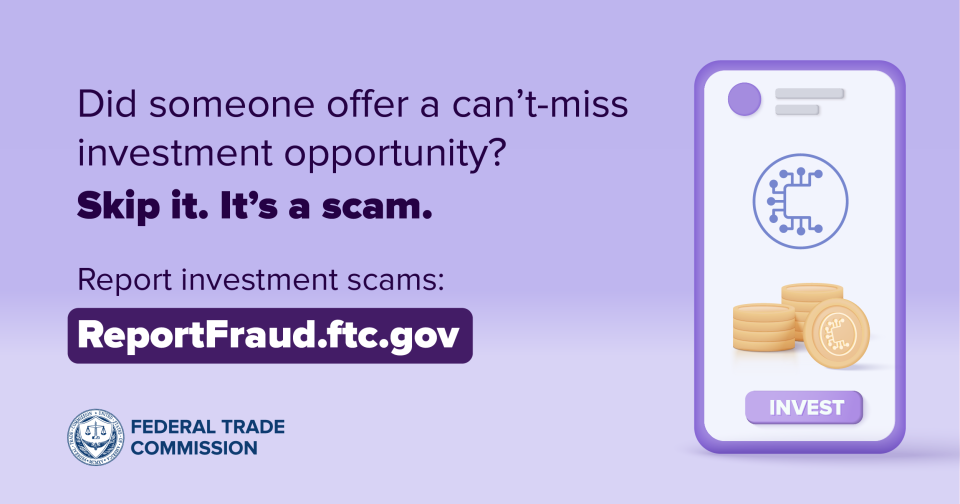
If you suspect fraud, stop sending money, preserve messages and transaction records, contact the exchange involved, and report the incident promptly to the appropriate authorities. In the United States, victims can report cryptocurrency investment fraud through the FBI’s Internet Crime Complaint Center and scams through the FTC.
Bottom Line
Crypto scams are becoming more polished, but the psychology behind them remains remarkably familiar. Fraudsters still rely on trust, greed, fear, urgency, secrecy, and the hope that one more payment will solve everything.
The safest habit is not trying to become impossible to fool. It is building a process that makes impulsive decisions difficult. Verify people independently, question guaranteed returns, inspect platforms carefully, and never let an online relationship substitute for due diligence.
A legitimate investment can survive a few uncomfortable questions. A scam usually needs you to stop asking them. In crypto, being skeptical may occasionally make you miss a “once-in-a-lifetime opportunity.” Conveniently, scammers seem to offer those every Tuesday.